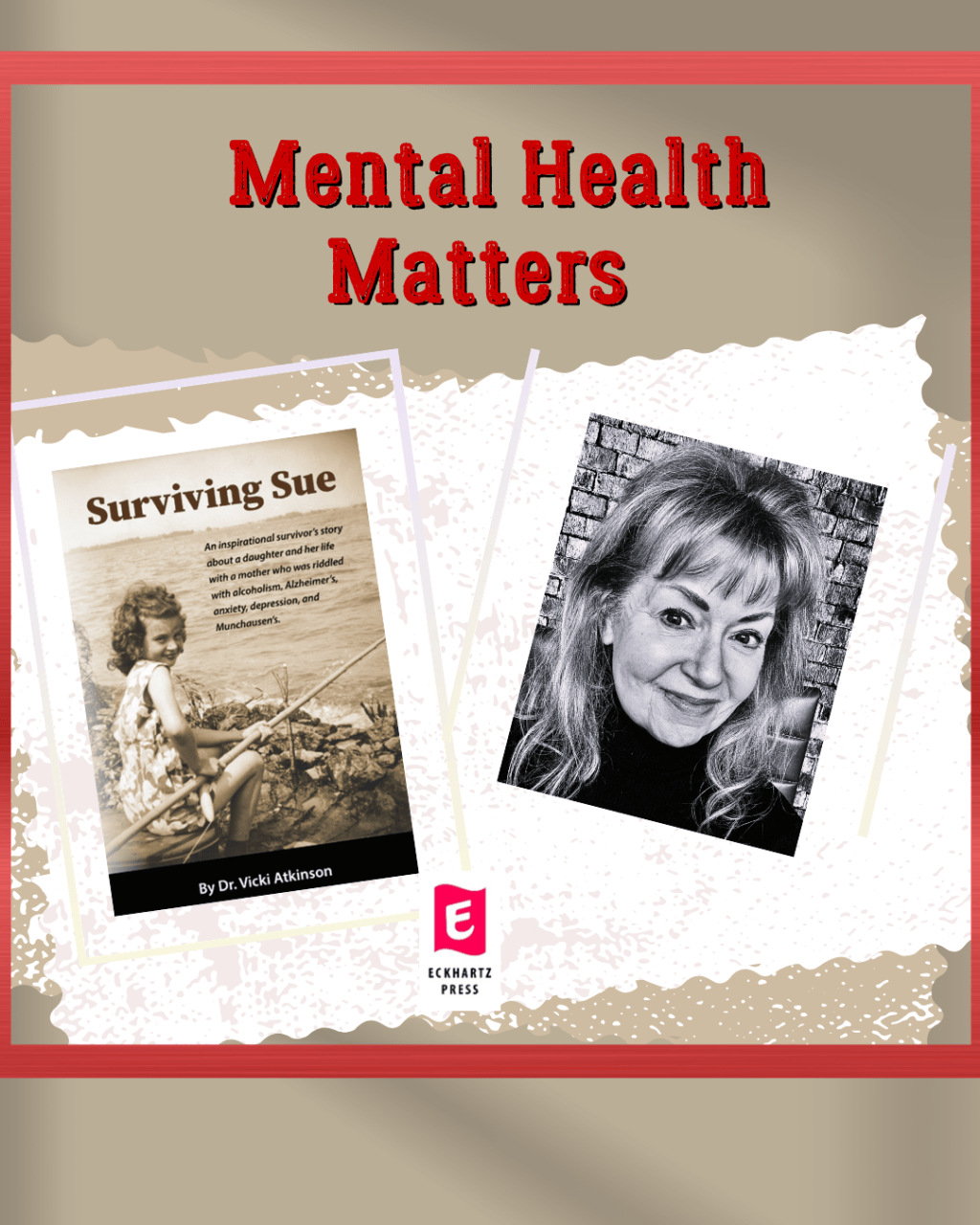
When readers of Surviving Sue ask about my capacity for forgiveness, I think of it as a mix of task completion and desperation. Eager to better understand the effervescent blend of madness and love that bubbled within my mom, I traced pain points across her lifespan as I sought resolution, if not peace.
The term “intersectionality” is often used to describe individuals with multiple diagnoses or identities. People like Sue who struggled on several fronts:
Mental health is influenced by a wide range of factors, including our genetics, our early experiences, our relationships, and the social and economic conditions we live in. Intersectionality helps us understand how the social and structural side of that picture works.
When someone belongs to a group that faces discrimination, marginalization, or inequality, this places real pressure on their mental health. Research consistently shows that experiences of racism, homophobia, ableism, poverty, and other forms of social exclusion are linked to poorer mental health outcomes.
But when someone holds multiple marginalized identities at once, the pressures do not simply stack. They can compound in ways that create distinct challenges. Intersectionality gives us the language to name that, and the framework to respond to it.
Sue’s childhood was rife with abuse and poverty, and she suffered from depression and anxiety and later in life, addiction, Alzheimer’s and Munchhausen’s (now FDIA), too. When she was at her most troubled, Sue suffered under compounding pressure. For those around her, it was hard to know which hardship was driving the dysfunction.
October 10 was World Mental Health Day and in the United States, the month of October is National Depression and Mental Health Screening Month. I wonder if services and intervention had been available to Sue, if her life could’ve been different. Better. Or if my life–or my sister Lisa’s–could’ve been better, too. Less fraught with fear conjured by Sue’s instability.
What I know for sure?
Revisiting the softer, more functional side of Sue–especially her advocacy heart for disabled persons–was a starting point in my own healing journey. I shared the post which follows in October 2023, not long after Surviving Sue debuted, hoping to shine a light on the complexities of mental illness. Three years later? I think the message is still worthy as an example of writing for wellness. My own.
Surviving Sue – Peek Inside: Sue’s Big Heart – October, 10, 2023
Sue was fearless and defiant, pushing for services and equal opportunities long before laws were in place in the U.S. to ensure protection for persons with disabilities.
Sue knew how to build alliances with other families and rose to every challenge as she organized fundraising events and protested, demanding attention and action from elected officials.
It was a different time. A backward time in the early 70’s, long before the ADA (Americans with Disabilities Act) and Sue knew saw developmental and physically disabled children becoming cast-offs as families were preyed upon to relinquish guardianship. She and my dad, Sonny, faced similar challenges with my sister Lisa as well-intending doctors and family members discouraged them from committing to lifelong care for a child who might “never be normal”. Lisa’s brain damage at birth resulted in motor issues, cognitive dysfunction, and low vision. Time and again, doctors who had little to offer in terms of support or treatment urged an option of greater good; urging institutionalized care for little Lisa.
How did Sue summon the fortitude to stay strong? In part, she pivoted her rage toward civil action and bold advocacy. She found her rallying cry and made a difference, at least in the small Ohio town where we lived at the time.
No bus service to take disabled children to school?
Sue organized parents to become trained and licensed to drive.
Wait! What? No buses?
Sue had a solution for that, too, and found a way to get school buses (“big yellows” Sue called them) donated from Superior Coach.
Because of Sue’s unwavering commitment, Lisa thrived, for a time. So did many other children like Lisa. Sue enjoyed the status and significance for herself, but her purpose was clear. Lead and pave the way, come hell or high water.
Each time we moved (many times due to my dad’s promotions) Sue tried to regain her activism footing, but it became increasingly difficult as she slipped into mental health and addiction issues. Her once boisterous and infectious behavior became twisted and tyrannical and fewer moms and families were inclined to follow her boisterous, well-intending campaigns. But stalwart Sue powered on, finding alternative paths, throwing herself feverishly into volunteer roles at Lisa’s special needs workshops.
When she lacked the ability to socialize and mobilize, Sue found her groove providing respite care for other young adults with disabilities, like Lisa.
In Surviving Sue I wrote about one sweet soul, Lisa’s friend Michael, who became a surrogate member of our family. No one knew how little time in the world Michael had left, but thanks to Sue, the truth about his tortured life was uncovered, resulting in services and support. Michael lived some of the best years of his life as a member of our wacky tribe.
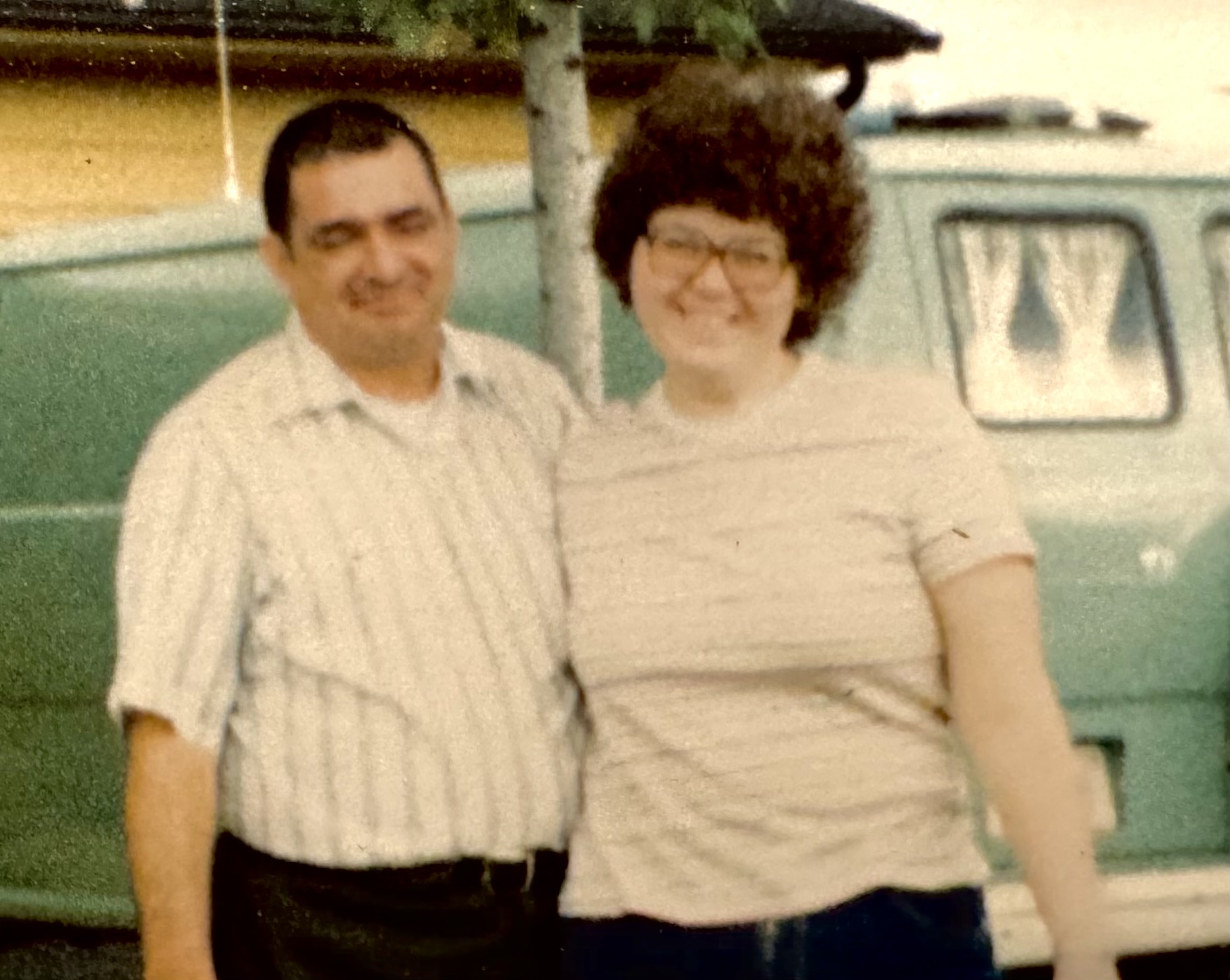
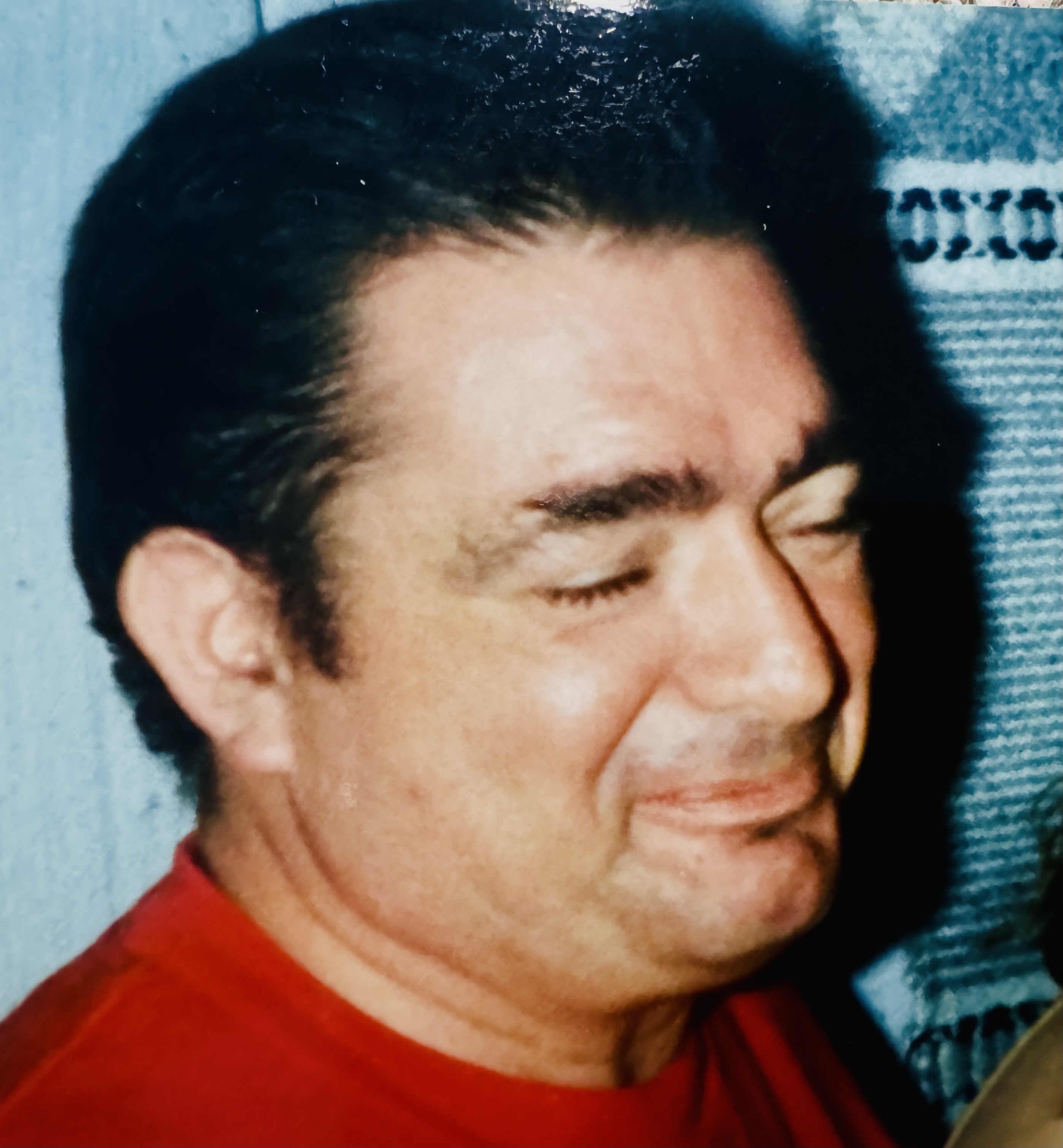
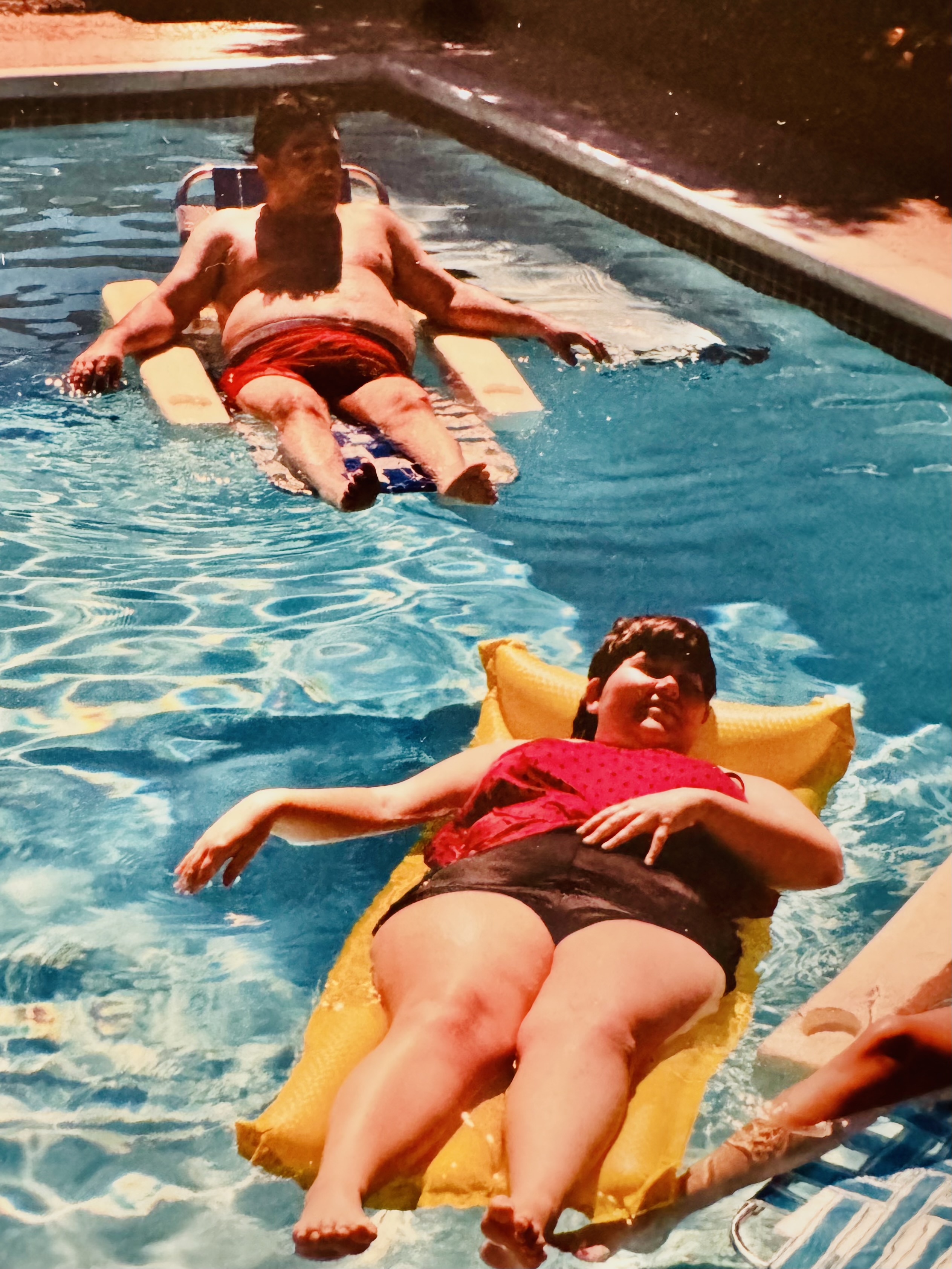
Here are a few photos of Michael and Lisa during this time. Birthdays? Vacations? Holidays? Michael was a welcome addition to our family:

An excerpt about Michael, from Surviving Sue, p.84:
Michael’s story was a tale of horrifying pain and isolation but when he met Lisa, Sue, and Sonny, he found a makeshift family – a first for sweet Michael. Sue and Sonny’s hearts ached as they learned about Michael’s life. Mine, too. Let me share. It’s shocking and painful, still, but it’s also a part of Sue’s story related to her capacity for empathy and her heart for advocacy – especially for the intellectually disabled.
Michael was born brain damaged in 1951 and suffered in ways similar to Lisa. Michael was premature – born at six months, deprived of oxygen upon arrival and he suffered from gestational neglect because of his mother’s alcoholism. He was cognitively limited but mobile and he worked at an “outside job” in addition to attending the workshop, just like Lisa. Michael was functional enough to live on his own in a subsidized apartment in an emerging community-based living option, supported by social workers and staff to manage daily living. Michael was charming and matter-of-fact about his life. His version of his story was a simple declarative statement and I doubt he knew it leveled listeners when they heard it. He would say, “My mom gave me up because I was broken and not like the others but I’m okay now; when I was little, the testing was painful, but I don’t remember all of it, I just have the scars,” and at that point he’d pull up his shirt to show the labyrinth of scars – like a freeway map – all over his chest and back. It was part of his introduction to new people. He’d offer a hearty handshake and look new friends in the eye, ask their name and say, “Hi, I’m Michael,” and then get to the matter-of-fact reveal. Afterward, he’d pat the new buddy on the back and say, “Nice to meet you,” and move on. He had speech and hearing challenges and never recognized how loud he was – especially joyful whenever he met a new friend. His high-pitched laugh was a trademark, and it was impossible to be around him and not smile along. I always wondered if he and Lisa connected about their scars. Lisa’s were self-inflicted and Michael’s were a tragedy of another sort – but it was something they had in common. Battle scars.
As we came to know Michael, we learned that his mother did give him up and he became a ward of the State as soon as he was born. Accurate medical records about his life were, at best, pieced together by social workers and advocates. Most were locked down by the State and inaccessible, which concerned the staff because it was unusual, and it hampered their intent to provide the best care possible for Michael. They pursued the release of records for an entire year – for Michael and for another client of the workshop – and Sue picked up little reveals along the way.
Michael’s social workers gave Sue a lot of leeway, in part because they were grateful to have Michael included in our family activities and recognized Sue’s good intentions.
Sue and the social workers learned that Michael had been an illegal human test subject. In the 50’s there was no protection for the disabled, especially if they were children without guardians, and the State illegally and heinously conducted surgical experiments on Michael – and others – because they could – they had no family, no advocates. The scars all over Michael’s abdomen, chest, and back were the result of experimental heart valve, liver, kidney, and lung procedures. He had portions of his lungs removed, had a prototype heart valve swapped out for a functioning one and was repeatedly subjected to exploratory human subject experiments.
Michael passed away just a few years after he met our family and losing him was heartbreaking for all of us, Lisa most of all.
Looking back at Sue’s tortured life, I recognize and admire her advocacy heart. The broken bits within Sue helped her connect with others who shared the heartache of indifference. Sweet souls like Michael.
The topic of mental health matters all year long, of course, just like opportunities for intergenerational healing. Thank you for being here. You matter, too!
Vicki 💝
National Alliance on Mental Illness
People with Disabilities | NAMI
Content shared is for informational purposes only and is not a substitute for professional mental health advice, diagnosis, or treatment. Always seek the advice of your physician or other qualified health provider with any questions you may have regarding a medical condition.
Hi – I’m Victoria, Vicki, Dr. Vicki. I hold a doctorate in Adult Education and I’m a Licensed Professional Counselor (LPC), and author of Surviving Sue and Slivers.
Check out this link to learn more about my book Surviving Sue – all about resilience and love. Check out this link to order Slivers…a ghost story with surprising twists. Click here for the interview with my publisher, Rick Kaempfer from Eckhartz Press.
P.S. Are you on Substack? If so, I’d love to connect with you there: Vicki Atkinson, Ed.D | Substack
Copyright ©2026 victoriaponders.wordpress.com – All rights reserved


Leave a Reply